Humanoid home assistants: what can you actually buy?
The shape of a robot tells you little about how ready it is for household work. Compare the intended role, the capabilities available today and the terms behind its order, preorder or enquiry button.
Separate home assistants from development platforms
A home assistant is designed around household tasks. A humanoid platform may instead support demonstrations, research or software development. Both can appear in similar promotional videos, so use the model's documented purpose and configuration as your starting point.
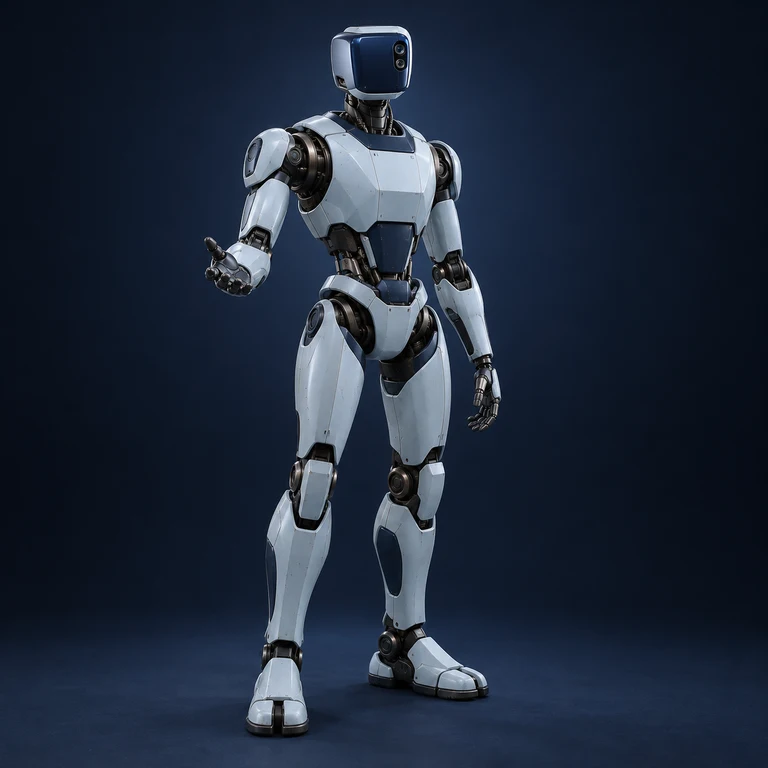
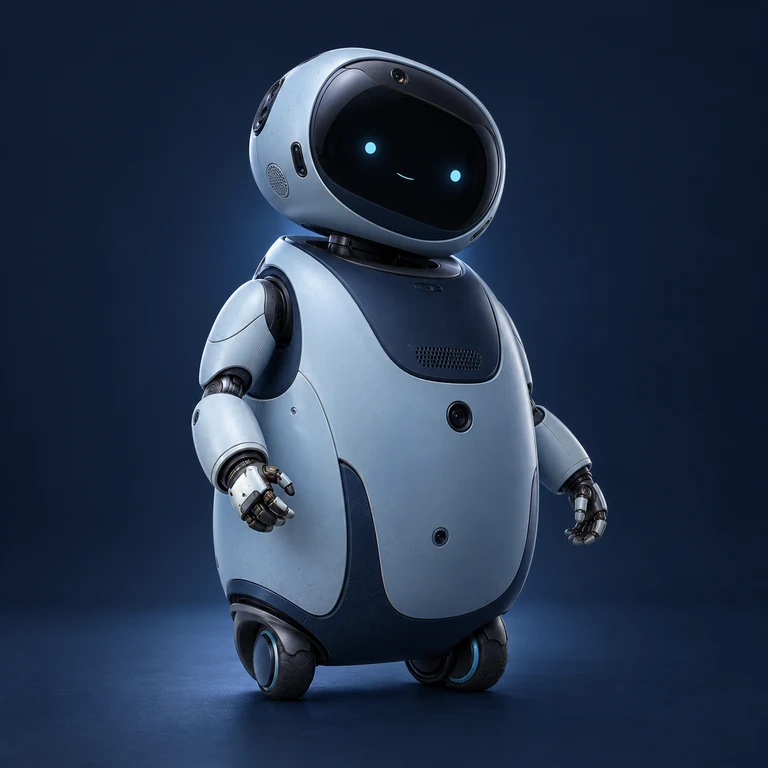
Form factor is a separate question. Sunday Memo uses a wheeled base, while NEO and the Unitree humanoids are bipeds. We include Memo in the same discovery category because it addresses the home-assistance decision.
NEO: an early-access home humanoid preorder
1X offers NEO through a preorder programme and states that US deliveries begin in 2026. Its terms describe a waitlist for an invitation to purchase or subscribe, with timing dependent on factors including location. Confirm eligibility and current delivery information directly with 1X.
The maker describes basic autonomy for early owners and scheduled remote Expert support for unfamiliar tasks. Ask how operator approval, task scheduling and data access work for the chores you have in mind.
Read the preorder terms before paying a deposit. They specify personal domestic use and prohibit resale or distribution of the robot or preorder. A personal preorder does not establish a commercial resale arrangement.
Memo: a wheeled home assistant entering beta
Sunday describes Memo's founding-family programme as an invite-only beta planned for late 2026. Applying is a request to participate in an early programme, rather than a retail purchase or a guaranteed place.
Confirm the eligible locations, supervision expected from participants and the tasks available during the trial. Evaluate the beta as a collaboration with the maker, with household routines and expectations suited to that stage of development.
Unitree: choose the platform and configuration carefully
R1 and G1 have order routes through Unitree's shop, while H1 directs buyers to sales. Confirm the selected variant and lead time: the store's ordering controls do not establish immediate dispatch to your location.
Unitree states that R1 secondary development requires an EDU version and directs G1 development buyers to the EDU edition. Check software access, hands, computing and supported functions with sales. These platforms should be assessed for their documented demonstration or development role; general autonomous housework is not established by their store listings.
Ask for evidence of the household task
Describe a task in your actual home, including objects, surfaces, access and the assistance you can provide. Ask which parts the offered configuration completes autonomously and which require a person, remote support or further development.
Use the answer to decide between an early programme, a specialist platform or a robot dedicated to one household job. Choose based on the capability and support you can confirm now.
- What software and hardware configuration performs the demonstrated task?
- How often is human intervention needed, and who provides it?
- What does the agreement promise about access, support and delivery?
Sources & further reading
- 1X NEO (opens in a new tab)
- 1X order information (opens in a new tab)
- 1X preorder terms (opens in a new tab)
- Sunday Memo (opens in a new tab)
- Sunday beta programme (opens in a new tab)
- Unitree R1 (opens in a new tab)
- Unitree G1 (opens in a new tab)
- Unitree H1 (opens in a new tab)
This guide draws on manufacturer and official information. It is not a hands-on product test. Availability and programmes can change; confirm current details with the provider.
How we put these guides together